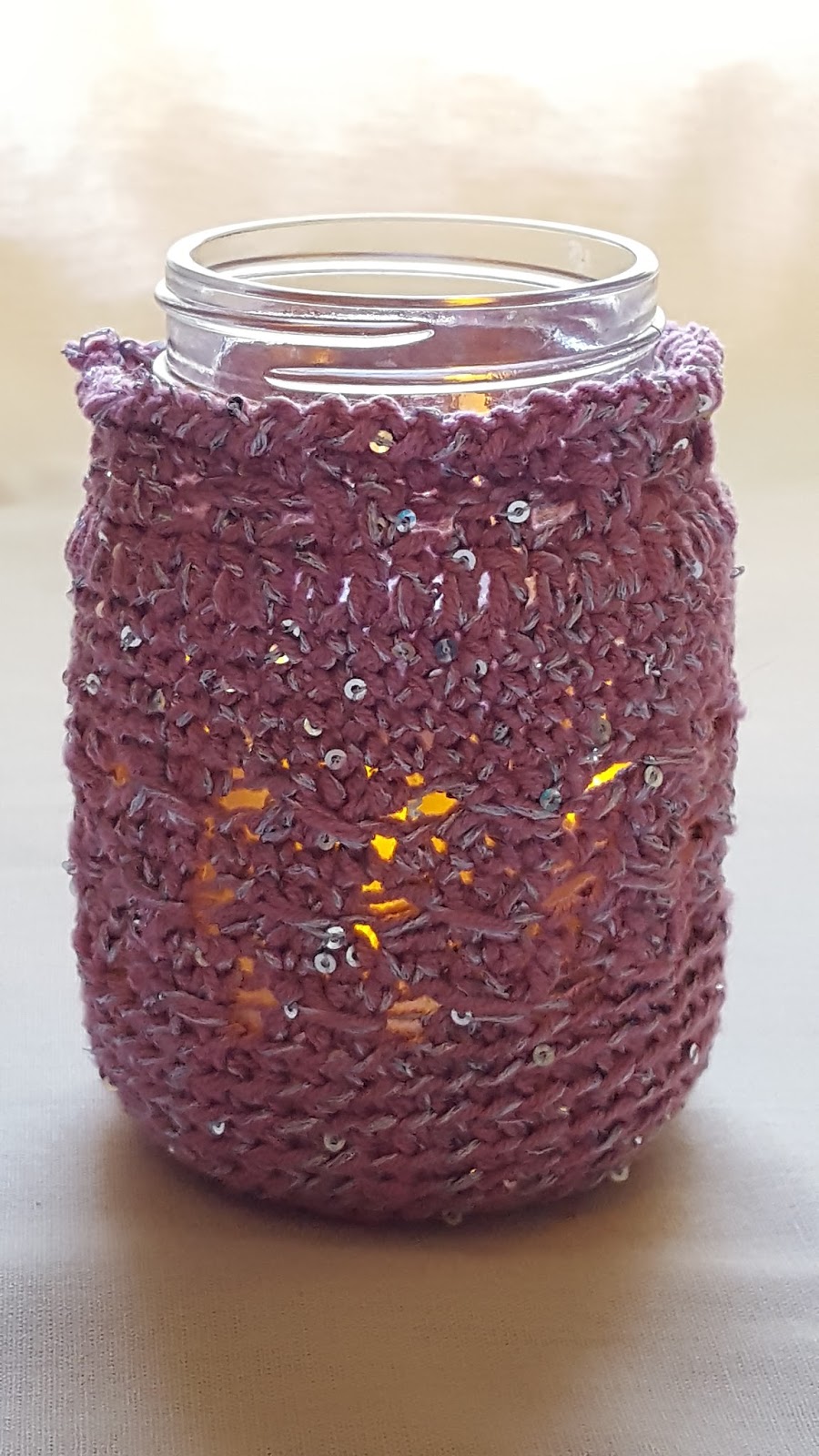
If like me you love to crochet warmer weather will not stop you wanting to create something and indulge in crochet projects. When the weather is hot it’s good to crochet something simple and something you can make while sitting in the garden, during your lunch break, sitting in the park when you are on the beach and when you are on holiday.
It helps to have crochet projects that don’t use too many different colours, multiple balls and different yarns to carry around. Cotton yarn is the obvious choice for summer projects as cotton is cooler to work than wool and acrylic based yarns. My favourite cotton yarns include Sirdar Cotton DK (light worsted), Scheepjes Cotton Fun and Patons 4ply cotton. Scheepjes cotton Fun comes in a fantastic range of bright colours, perfect for Summer projects and summer cushions. Patons 4 ply cotton has a range of colours ideal for making bright mandalas. Linen and bamboo yarns are also soft and cool to use in the summer. Avoid alpaca and mohair yarns and blends for summer crochet projects.
When the weather warms up what crochet projects can you take on? Motif based projects are the obvious choice. I also love to make crochet toys in cottons and to make large summer bolster cushions. Summer shawls in lightweight yarns are also easy to transport and easy to make in the summer.
Use small click topped boxes to secure your hooks, scissors, needles for end fastening and stitching motifs together. I also like to include my elephant cutter which includes a small measure for checking sizes and a yarn cutter.
Sounds obvious but I love crochet summer projects that produce useful finished items. Garden table mats, coasters and bowls and baskets in cotton and linen yarn on hotter days are perfect summer crochet projects. The great news is that once finished you can use them for your garden parties and barbeques.
Showing posts with label crochet styles. Show all posts
Monday, 29 April 2019
Thursday, 20 September 2018
Crochet Rugs
One of the things I love about crochet is the number of different things you can create and make with knowledge of just a few stitches and techniques. Given the choice of yarns now available we are spoilt for choice with our crochet projects!
Crochet rugs are one of my favourite projects and are surprisingly quick to make. You can make crochet rugs for bathrooms, children’s bedrooms (using a picture based design works well for this) and kitchens.
Make your rug square, rectangular, round or oblong. If you are making your rug rectangular you can work your design horizontally or vertically to create two distinct and very different looks. Working horizontally along the length of your rug gives a longer look to your finished rug. See my pink/green rug pattern.
Use cotton rich yarn for your rug it’s tough, hardwearing and washable. Sugar n Cream is perfect. There is a fabulous choice of plain and blended colours. I like to limit the number of colours I use in the rugs I make, overall this creates a more stylish finish. You can also use jute based yarns and recycled t shirt material works well for rag rug style crochet rugs.
Keep your rug design simple, geometric designs look good, but your crochet rug is by no means limited to this type of design. Making a square or rectangular consider using motifs. For round crochet rugs I sometimes use vintage doily patterns. If you are using doily or fine crochet mat patterns just scale up, but be warned you often have to simplify these. Use textured stitches or Mandela patterns look amazing used to create rugs.
Reduce the number of holes in my crochet rugs or at least make sure they are small to reduce trip hazards. You can add an edging if you like and this works really well on circular rugs.See the pattrn for my blue Sugar n Cream rug.....
Crochet rugs are one of my favourite projects and are surprisingly quick to make. You can make crochet rugs for bathrooms, children’s bedrooms (using a picture based design works well for this) and kitchens.
Make your rug square, rectangular, round or oblong. If you are making your rug rectangular you can work your design horizontally or vertically to create two distinct and very different looks. Working horizontally along the length of your rug gives a longer look to your finished rug. See my pink/green rug pattern.
Use cotton rich yarn for your rug it’s tough, hardwearing and washable. Sugar n Cream is perfect. There is a fabulous choice of plain and blended colours. I like to limit the number of colours I use in the rugs I make, overall this creates a more stylish finish. You can also use jute based yarns and recycled t shirt material works well for rag rug style crochet rugs.
Keep your rug design simple, geometric designs look good, but your crochet rug is by no means limited to this type of design. Making a square or rectangular consider using motifs. For round crochet rugs I sometimes use vintage doily patterns. If you are using doily or fine crochet mat patterns just scale up, but be warned you often have to simplify these. Use textured stitches or Mandela patterns look amazing used to create rugs.
Reduce the number of holes in my crochet rugs or at least make sure they are small to reduce trip hazards. You can add an edging if you like and this works really well on circular rugs.See the pattrn for my blue Sugar n Cream rug.....
Thursday, 28 June 2018
How to crochet an evening Bag
Given that there are so many stunning yarns available some with sequins, some with metallic threads running through them and silk and mohair blends crochet evening bags can be as stunning and as sophisticated as any shop versions. They can make quick to make crochet projects for proms and weddings outfits for yourself or for gifts.
What shape to make your evening bag?
Clutch style bags are very easy to construct. Basically you just need one long strip of crochet with enough crochet to fold over to form a flap. I like to add a decorative edge to the flap of my bags and to the sides. If you decide to add a decorative edge to the side of your bag you can crochet your bag together saving time on sewing! You can also insert decorative rows, such as rows of clusters or shells into the long strip of crochet as you go along.
Round shaped evening bags are very pretty and the easiest way to make them is with five motifs, one for the bottom and four for the sides. This also has the benefit of giving you an endless choice of motifs and designs to choose from. Use a see through lacy motif and make your bag lining a fundamental part of your design.
Alternatively round evening bags can be made by using a round base and then building up the sides. Make your base plain and make the sides decorative with popcorn stitches or front and back posts. Start with 8dc’s (sc’s) and increase on each row beginning with an increase in every stitch. Then increase in every other stitch, into every second, then third and so on. Stop increasing to work up the sides.
Which yarn to use for your bag?
It’s surprising that even a wool based yarn can produce a lovely bag. Try a sequin yarn or one with a sparkly thread running through it or a silk blend for a touch of luxury. I like to use Double knit (light worsted yarn) but 4 ply or chunky would work just as well. Yarns with soft sheens make very elegant crochet evening bags, Sirdar Baby Bamboo DK (light worsted) is ideal as is Sirdar Toscana 100% cotton which is a gorgeous blended silky cotton. Cotton yarns make strong durable bags.
Which stitches to use?
Double crochet (single crochets) stitches work well, as do half trebles (half double crochets) and these create a lovely ridge effortlessly. You can also use a looser stitch or open work lacy style crochet when the lining will show through and this can look very effective. Front and back row post stitches look good, create pretty ridges and are useful for defining changes in rows. For example use front posts trebles (dc’s) before you add a band of cluster stitches.
Finishing your bag
Always line your bag. This really does make the difference between a professional looking bag that will not only look better and be one that will last longer. If you can line your bag with a cotton or cotton rich fabric to protect your work and to make your bag stronger.
Try to use a material lining that doesn’t fray. Satin or a satin stripe would look lovely as would a lining in a contrasting material to the crochet you have made. Line the base of your bag to prevent stretching and make sure you leave a small gap of crochet around the edge of your lining so you can stitch together.
Add a decorative fastening, a crochet flower or crochet button and you can also add beads to your yarn to crochet them in as you go along. Add a centre button or flower with a loop for a fastening . Add a decorative draw string to the top of tour bag with an oversized tassel and handle.
Handles crochet or bought?
I like strong carrying handles on the bags I make and there are different ways to achieve this. You can make a strip of crochet using dc’s (sc’s) for your handle and double it over when finished by stitching the sides together. Alternatively use your yarn double, doing this creates a lovely strong tweed style effect. You can also buy leather and wooden handles in craft stores and these work well.
Another alternative is to make thinner handles by making a length of crochet and stitching around strong plastic tubing which you can buy from craft stores. I make shoulder straps in the same way as handles for some of my bags.
What shape to make your evening bag?
Clutch style bags are very easy to construct. Basically you just need one long strip of crochet with enough crochet to fold over to form a flap. I like to add a decorative edge to the flap of my bags and to the sides. If you decide to add a decorative edge to the side of your bag you can crochet your bag together saving time on sewing! You can also insert decorative rows, such as rows of clusters or shells into the long strip of crochet as you go along.Round shaped evening bags are very pretty and the easiest way to make them is with five motifs, one for the bottom and four for the sides. This also has the benefit of giving you an endless choice of motifs and designs to choose from. Use a see through lacy motif and make your bag lining a fundamental part of your design.
Alternatively round evening bags can be made by using a round base and then building up the sides. Make your base plain and make the sides decorative with popcorn stitches or front and back posts. Start with 8dc’s (sc’s) and increase on each row beginning with an increase in every stitch. Then increase in every other stitch, into every second, then third and so on. Stop increasing to work up the sides.
Which yarn to use for your bag?
It’s surprising that even a wool based yarn can produce a lovely bag. Try a sequin yarn or one with a sparkly thread running through it or a silk blend for a touch of luxury. I like to use Double knit (light worsted yarn) but 4 ply or chunky would work just as well. Yarns with soft sheens make very elegant crochet evening bags, Sirdar Baby Bamboo DK (light worsted) is ideal as is Sirdar Toscana 100% cotton which is a gorgeous blended silky cotton. Cotton yarns make strong durable bags.
![]() |
| Crochet Evening Bag |
Which stitches to use?
Double crochet (single crochets) stitches work well, as do half trebles (half double crochets) and these create a lovely ridge effortlessly. You can also use a looser stitch or open work lacy style crochet when the lining will show through and this can look very effective. Front and back row post stitches look good, create pretty ridges and are useful for defining changes in rows. For example use front posts trebles (dc’s) before you add a band of cluster stitches.
Finishing your bag
Always line your bag. This really does make the difference between a professional looking bag that will not only look better and be one that will last longer. If you can line your bag with a cotton or cotton rich fabric to protect your work and to make your bag stronger.
Try to use a material lining that doesn’t fray. Satin or a satin stripe would look lovely as would a lining in a contrasting material to the crochet you have made. Line the base of your bag to prevent stretching and make sure you leave a small gap of crochet around the edge of your lining so you can stitch together.
Add a decorative fastening, a crochet flower or crochet button and you can also add beads to your yarn to crochet them in as you go along. Add a centre button or flower with a loop for a fastening . Add a decorative draw string to the top of tour bag with an oversized tassel and handle.
Handles crochet or bought?
![]() |
| Crochet Evening Bag |
I like strong carrying handles on the bags I make and there are different ways to achieve this. You can make a strip of crochet using dc’s (sc’s) for your handle and double it over when finished by stitching the sides together. Alternatively use your yarn double, doing this creates a lovely strong tweed style effect. You can also buy leather and wooden handles in craft stores and these work well.
Another alternative is to make thinner handles by making a length of crochet and stitching around strong plastic tubing which you can buy from craft stores. I make shoulder straps in the same way as handles for some of my bags.
Monday, 23 April 2018
Crochet on the go
If like me you can’t go anywhere without a ball of yarn and a crochet hook, crochet on the go is a must but what to make and what to take?
Your project on the go has to be simple and easy to make without lots of different yarns and complicated patterns. Here’s what I do when travelling and crocheting, usually in a car, on a train and sometimes on a bus! I hope it helps!
- Have one specific crochet project for making on the go, one that you can finish off later at home
- Sometimes I simply make motifs using up yarn scraps and decide later what to use them for. I keep the yarn scraps in a large plastic container
- Take a net bag to keep your work protected and so you can see what’s inside to make finding a specific yarn, motif or hook easier
- Take a notepad and pen to keep track of where you are in a pattern and for the ideas and inspiration you have along the way
- The obvious choice for a project on the go is motifs they are usually small and easily transported. They also have the benefit of been quick to complete, making them perfect for shorter journeys or on the way to and from work
- Make sure your projects on the go are simple travelling can be full of distractions!
- If you are using large balls of yarn rewind to make smaller ones so they are easier to transport
- If you are making a garment just take one part to make, such as the front or back
- You can also consider making a project with finer yarns, these are lighter and usually smaller to transport
- Take along, as well as your yarn and crochet hook, scissors, darning needle (threaded through a piece of paper), small tape measure or folding ruler, the part of the pattern you need (photocopy to make it easier) and spare hook
Tuesday, 3 April 2018
My favourite crochet Stitches and what I use them for
Do you have favourite stitches, ones you love to make and love the look they create? In this blog I'm talking about my favourite crochet stitches and what I use them for. When I first started to crochet I dreaded finding patterns I liked that included picot stitches, made by creating a small ring in chains worked usually in the middle of your work! I struggled to make them look good; they were either too slack or too tight. Now I love them. Take a simple net pattern and add a few picots and you create something much finer than plain crochet net. Picots are easier to make if you make your stitches not too tight. I also love picots added to edgings. If your edging has a rise and fall add the picot to the rise.
Chio
Another stitch I was not keen on when I first started to crochet was popcorn stitch, made by joining the first stitch to the last stitch of q group of trebles (double crochets) shells. I think the problem I had was my tension was too slack producing a large loop at the top of the popcorn that did not look good! With practice popcorn stitches are now another favourite of mine. They look lovely used in baby blankets and add a warm texture to women’s crochet scarves.
Front row posts made usually with trebles (double crochets) produce crochet that looks like knitted ribbing and create a very pretty reversible fabric, thicker and more rigid than usual crochet. Front row posts are worked around the stem of the stitch on the row below the one you are working on. This creates the perfect stitch for bags and crochet cushions.
Slip stitch is almost the forgotten crochet stitch used often to join rows together, particularly in older crochet patterns. Used on its own slip stitch can create lovely effects and are very simple to stitch. I use slip stitches to join motifs together and to create edgings for table runners and throws. Add a chain between your slip stitches on an edging to make a very pretty frilly edging.
My all time favourite stitch is the half treble (half double crochet) in a similar way to slip stitches the half treble was (in early patterns) used as a transitional stitch. On large shells half trebles (half double crochets) were used to move the work along from a dc (single crochet) to a treble (double crochet) without too large a leap. Now they have come into their own and they appear in many modern patterns. This stitch has the benefit that it grows quickly and creates a lovely top ridged effect. It’s the perfect stitch to use in plain patterns to produce something that looks classy. I use the half treble in my cluster scarf, basket and rug.
Working in back loops is not really a stitch it’s more of a technique, but is something I use a lot. It creates a gorgeous ridge which makes the base of crochet baskets look amazing.
![]() |
| Child's crochet jacket |
Another stitch I was not keen on when I first started to crochet was popcorn stitch, made by joining the first stitch to the last stitch of q group of trebles (double crochets) shells. I think the problem I had was my tension was too slack producing a large loop at the top of the popcorn that did not look good! With practice popcorn stitches are now another favourite of mine. They look lovely used in baby blankets and add a warm texture to women’s crochet scarves.
Front row posts made usually with trebles (double crochets) produce crochet that looks like knitted ribbing and create a very pretty reversible fabric, thicker and more rigid than usual crochet. Front row posts are worked around the stem of the stitch on the row below the one you are working on. This creates the perfect stitch for bags and crochet cushions.
Slip stitch is almost the forgotten crochet stitch used often to join rows together, particularly in older crochet patterns. Used on its own slip stitch can create lovely effects and are very simple to stitch. I use slip stitches to join motifs together and to create edgings for table runners and throws. Add a chain between your slip stitches on an edging to make a very pretty frilly edging.
My all time favourite stitch is the half treble (half double crochet) in a similar way to slip stitches the half treble was (in early patterns) used as a transitional stitch. On large shells half trebles (half double crochets) were used to move the work along from a dc (single crochet) to a treble (double crochet) without too large a leap. Now they have come into their own and they appear in many modern patterns. This stitch has the benefit that it grows quickly and creates a lovely top ridged effect. It’s the perfect stitch to use in plain patterns to produce something that looks classy. I use the half treble in my cluster scarf, basket and rug.
Working in back loops is not really a stitch it’s more of a technique, but is something I use a lot. It creates a gorgeous ridge which makes the base of crochet baskets look amazing.
Wednesday, 7 February 2018
Review of West Yorkshire Spinners Aire Valley Arran
Good value for a 100gm ball I used the Forest Green shade it to make the lovely evening bag pattern in my Geometrics and Shapes collection. West Yorkshire Spinners Aire Valley Arran is quite a course yarn, it wouldn’t work for children’s clothing or scarves, but it’s the perfect yarn for the small evening bag. Firm and robust for holding and handling, it would be perfect for thick chunky knits and jackets.
The yardage for Aire Vallet Arran (100gram ball) is 200m/219 yards. The yarn has a high wool content of 75% Wool 25% Nylon.
Aire Valley comes in a range of colours including Forest Green and red, pinks, this seasons plum, violet and blues, plus the fusions range in green, lilac and red blends. It's also available in the cocktail range of bright multi coloured blends.
You can buy direct from West Yorkshire Spinners.
The yardage for Aire Vallet Arran (100gram ball) is 200m/219 yards. The yarn has a high wool content of 75% Wool 25% Nylon.
Aire Valley comes in a range of colours including Forest Green and red, pinks, this seasons plum, violet and blues, plus the fusions range in green, lilac and red blends. It's also available in the cocktail range of bright multi coloured blends.
You can buy direct from West Yorkshire Spinners.
Thursday, 1 February 2018
What's in a name?
Discovering new crochet stitches and techniques in books, online and in blogs can be both inspiring and intimidating. The names of stitches and techniques can vary and be confusing. This can mean nothing to you or stand for time spent learning something new rather than starting a new crochet project! Sometimes it’s the abbreviations that can put you off or reams of text describing new stitches you need to make to complete the pattern.
It can be even more intimidating if the new techniques and specialist stitches use particular equipment such as with broom stick crochet. Or crochet hooks that look more like knitting needles for Tunisian crochet! The decision is, is it worth investing in new equipment? Will you be able to make good use of it?
I urge you not to be intimidated by having to learn something new and so stick with your tried and tested crochet designs and styles. Incorporating new stitches and techniques in a crochet project makes the project more interesting to work, results in a high class finish and you create a stand out project.
The chances are you’ve already used some of the stitches and techniques in more intricate patterns or have the skills you need and you do not realise it. For example my peacock leaf crochet scarf uses Tunisian crochet (not named in the pattern) but you do not need any specialist equipment to make this crochet scarf. The Tunisian crochet in this design is simple enough for a newbie to crochet to make.
More often than not the pattern you are looking at is much simpler than it at first appears. To give yourself confidence in tackling something new it’s worth using a simple design or pattern that you are familiar with and adding a few specialist stitches. As always keep a check on your tension. You can for example easily change a pattern that uses groups of trebles(double crochets) for cross trebles (cross double crochets). This will use the same number of stitches and looks very pretty.
If your design uses a mesh pattern add a picot to the chains between stitches. For example if your pattern asks for 3 chain to make the spaces then make 4 chain with a dc picot into 3rd chain from the hook with another chain to complete the mesh gap. It will look so much more attractive than a plain mesh.
If your design uses groups of trebles (double crochet), crochet around the stem of the stitch on the row below, this makes a denser finished project, but uses the same number of stitches and creates a completely different look.
It can be even more intimidating if the new techniques and specialist stitches use particular equipment such as with broom stick crochet. Or crochet hooks that look more like knitting needles for Tunisian crochet! The decision is, is it worth investing in new equipment? Will you be able to make good use of it?
I urge you not to be intimidated by having to learn something new and so stick with your tried and tested crochet designs and styles. Incorporating new stitches and techniques in a crochet project makes the project more interesting to work, results in a high class finish and you create a stand out project.
The chances are you’ve already used some of the stitches and techniques in more intricate patterns or have the skills you need and you do not realise it. For example my peacock leaf crochet scarf uses Tunisian crochet (not named in the pattern) but you do not need any specialist equipment to make this crochet scarf. The Tunisian crochet in this design is simple enough for a newbie to crochet to make.
More often than not the pattern you are looking at is much simpler than it at first appears. To give yourself confidence in tackling something new it’s worth using a simple design or pattern that you are familiar with and adding a few specialist stitches. As always keep a check on your tension. You can for example easily change a pattern that uses groups of trebles(double crochets) for cross trebles (cross double crochets). This will use the same number of stitches and looks very pretty.
If your design uses a mesh pattern add a picot to the chains between stitches. For example if your pattern asks for 3 chain to make the spaces then make 4 chain with a dc picot into 3rd chain from the hook with another chain to complete the mesh gap. It will look so much more attractive than a plain mesh.
If your design uses groups of trebles (double crochet), crochet around the stem of the stitch on the row below, this makes a denser finished project, but uses the same number of stitches and creates a completely different look.
Wednesday, 6 December 2017
What’s new in crochet designs?
Like everything else there are trends in crochet, influenced
by access to worldwide crocheters through social media and by developments and
trends in yarn. What’s new this season and what you should be looking out for?
Whether you are looking for inspiration for a new crochet project or simply
want to keep ahead of trends these are my six favourite crochet finds for late
2017.
1. Tapestry crochet is one of the
big new themes. Originating in South America where crocheters make spectacular
and very bright crochet drawstring bags, you can now see the tapestry trend in
softer colours used to make cushions and scarves from crocheters around the
world. Tapestry crochet can be tricky to work depending on the complexity of
the pattern and the number of colours you use, but with a bit of practice these
repeating pattern become easier to work.
2. Ponchos are big news in fashion
and this has trended across to crochet. Crochet is perfect for ponchos and crochet
ponchos can be made in many different styles and methods from traditional granny
squares and round motifs to large chunky motifs, popcorns and cables. Stripes work
well on crochet ponchos made either in one large piece folded or worked in a
triangular way all work well.
3. Crochet rugs are always on the
scene but now there are many crochet rug designs based on vintage crochet fine
cotton mats and doily patterns, used to make rugs using larger weight cotton
yarns. They look spectacular!
4. Sparkly and iridescent yarns are
big news at the moment in fashion, at one time sparkly yarns were reserved for
evening shawls. Now you can find them in traditional scarves and infinity
scarves? Combine them with plainer yarns for gorgeous effects.Zig zags stripes are everywhere.
5. Crochet
zigzags made in the traditional rise and fall method have always been popular,
but also now come in tapestry crochet form. Use subtle blends or more punchy
colours. Zig zags look fantastic used in poncho designs.
6. Stripes large and small are
always in fashion, but this season they are everywhere in crochet. I’ve seen
them, narrow and wide, used in scarves, cushions, throws and ponchos. Combined with
rows of specialist stitches such as popcorns or shells stripes look wonderful.
Tuesday, 30 May 2017
Crochet Bags
Crochet bags are lovely and you can make them in a whole variety of styles and yarns from simple farmers market shoppers to more sophisticated clutch and trendy beach bags. Crochet bags can be as simple or as complicated to make as you want them to be! What shape or style to make your bag?
Holdall bags are probably the most useful. My calico bag pattern can be a work bag, beach bag or shopper. Holdall bags are easy to make with either one shaped piece or 5 separate pieces for back, sides, and bottom. Make crochet holdalls big or large.
Half moon shape or clutch shapes big or small. Use motifs or a solid block of crochet. Use a simple crochet button or crochet flower as a fastening, big or small.
Traditional crochet string bags are the easiest and quickest to make. Best made with chunky yarns or thick cottons. The choice of colours in chunky cottons is lovely so you can go bright or subtle.
Lined or unlined bags. A lining prevents your bag from stretching and protects intricate designs from damage by contents. Use a contrasting design for the lining to add a high end look of your bag.
Duffle shape crochet bags with drawstrings are one of my favourite styles. Use motifs or make them intarsia (colour motif) style. Intarsia bags are simple to make but take some expertise in colour changing.
Traditional granny squares make lovely original bags. Use motifs square on or diagonally.
Handbag style crochet bags have a more formal shape and look good in subtle shades or shades of one colour.
Use stripes small or large, 3 large in blended shades of the same colour create a sophisticated look. Combine different yarns of the same weight to create a unique effect.
Embossed or raised designs including surface crochet are very effective particularly on holdalls. Use raised crochet to create tartan effects.
What sort of handles do you want? Crochet, wooden or bamboo handles or round handles all look good and round handles give a retro look. If you make a holdall style crochet bag you can make and line your own crochet handles.
Crochet bags with flowers. I love raised flowers on bags. These look really pretty around the top and handles of your bag. Use the same yarn or a contrast for your flowers and pick out the colours of your bag.
Holdall bags are probably the most useful. My calico bag pattern can be a work bag, beach bag or shopper. Holdall bags are easy to make with either one shaped piece or 5 separate pieces for back, sides, and bottom. Make crochet holdalls big or large.
Half moon shape or clutch shapes big or small. Use motifs or a solid block of crochet. Use a simple crochet button or crochet flower as a fastening, big or small.
Traditional crochet string bags are the easiest and quickest to make. Best made with chunky yarns or thick cottons. The choice of colours in chunky cottons is lovely so you can go bright or subtle.
Lined or unlined bags. A lining prevents your bag from stretching and protects intricate designs from damage by contents. Use a contrasting design for the lining to add a high end look of your bag.
Duffle shape crochet bags with drawstrings are one of my favourite styles. Use motifs or make them intarsia (colour motif) style. Intarsia bags are simple to make but take some expertise in colour changing.
Traditional granny squares make lovely original bags. Use motifs square on or diagonally.
Handbag style crochet bags have a more formal shape and look good in subtle shades or shades of one colour.
Use stripes small or large, 3 large in blended shades of the same colour create a sophisticated look. Combine different yarns of the same weight to create a unique effect.
Embossed or raised designs including surface crochet are very effective particularly on holdalls. Use raised crochet to create tartan effects.
What sort of handles do you want? Crochet, wooden or bamboo handles or round handles all look good and round handles give a retro look. If you make a holdall style crochet bag you can make and line your own crochet handles.
Crochet bags with flowers. I love raised flowers on bags. These look really pretty around the top and handles of your bag. Use the same yarn or a contrast for your flowers and pick out the colours of your bag.
Monday, 15 May 2017
Crochet Throws
Throws are so useful, to snuggle up to when nights are cold, in the garden when days are a little cooler or just for when you need a bit of comfort! Crochet throws are fun to make. Not too big so they take too long to stitch but big enough to make an interesting project. And there are so many style choices!
Oblong, this is the most useful size and oblong throws look better too Use one style of motif
Choose two or three complimentary style of motif
Use small or large motifs to make your throw or combine small and large together
Strips give you more scope for design choices. Make simple horizontal or vertical strips or fit together in a log cabin design.
Make your throw as one piece from top to bottom and build your design in rows
Start in the centre of your crochet throw and work outwards. This works well if you start with a large oblong central motif or one or two square motifs stitched together. You can then add another row of motifs to finish your throw
Use chunky, double knit or finer yarn. The thicker the yarn the more quickly your throw will grow.
The yarn content is critical for what you want to use your throw for. A cotton or acrylic blend is ideal for summer throws. Wool blends are ideal if you want something warmer.
Colour is critical to your finished effect, use one colour or multi colours. One colour creates a subtle effect. Stick to four or five colours for a sophisticated effect or use yarn scarps and take pot luck!
Textured stitches such as popcorns, clusters look classy in throws. Work as a whole or as individual motifs
Raised stitches and cables are brilliant if you use a thicker yarn
Flower based motifs are lovely if you sue cotton or a cotton blend
If you want a more contemporary look go for diagonals, squares and triangular shapes
Oblong, this is the most useful size and oblong throws look better too Use one style of motif
Choose two or three complimentary style of motif
Use small or large motifs to make your throw or combine small and large together
Strips give you more scope for design choices. Make simple horizontal or vertical strips or fit together in a log cabin design.
Make your throw as one piece from top to bottom and build your design in rows
Start in the centre of your crochet throw and work outwards. This works well if you start with a large oblong central motif or one or two square motifs stitched together. You can then add another row of motifs to finish your throw
Use chunky, double knit or finer yarn. The thicker the yarn the more quickly your throw will grow.
Finer yarns give more definition and thicker yarns work really well with popcorn stitches and cables.
Finer yarns work beautifully with more intricate motifs to create a lovely lacy effect.
The yarn content is critical for what you want to use your throw for. A cotton or acrylic blend is ideal for summer throws. Wool blends are ideal if you want something warmer.
Colour is critical to your finished effect, use one colour or multi colours. One colour creates a subtle effect. Stick to four or five colours for a sophisticated effect or use yarn scarps and take pot luck!
Textured stitches such as popcorns, clusters look classy in throws. Work as a whole or as individual motifs
Raised stitches and cables are brilliant if you use a thicker yarn
Flower based motifs are lovely if you sue cotton or a cotton blend
If you want a more contemporary look go for diagonals, squares and triangular shapes
Wednesday, 18 January 2017
Crochet Styles
What other craft is as flexible as crochet? With just a few basic crochet skills you can make throws, hats, scarfs, shawls and baskets. Who doesn’t enjoy making something that is original to them? With a bit of practice slippers, sandals, delicate curtains and jewellery are all achievable. There is even a free form style of crochet and spectacular crochet art installations can be seen online. For a craft that has only been around for about 150 years, the range and scope of crochet is fascinating and is growing year on year.
The lovely thing about crochet more than other crafts is the variety of styles and techniques. Once you’ve mastered the basics your choices are limitless. Twenty crochet style ideas for you:
- Different countries historically have different styles of crochet. One distinct styles of crochet comes from the Azores where you find lace with sun motifs.
- Irish crochet is very delicate, intricate and distinctive. Much of it is made free without patterns to produce flowers, leaves and tiny berries.
- Tunisian crochet is a cross between knitting and crochet. Made using a long needle with a hook at the end, it holds multiple loops on the hook. The result is a fabric that is beautifully textured.
- Russia and eastern European adapted Irish crochet to form their own style. This is now used widely in free form to create the most intricate and delicate dresses, tops and exquisite wedding dresses. You can find subtle shades of one colour for free form crochet to create delicate scarves and jewellery.
- In South America crochet is used to make bright Aztec inspired bags.
- Bavarian crochet is a fairly new term for an old crochet style of motif that is worked in two rows. The first row is a series of clusters, and the second row is a series of shell stitches worked into the post below the stitch.
- The development of affordable yarns and clever blends from national, international and independent producers and dyers has opened up a whole world of possibilities for crocheters of all skill levels. The choice of yarns from wools and blends in every weight from lace to super chunky, and yarn blends with Merino, Alpaca, cotton, silk and linen.
- Multi coloured yarns and the very popular sock yarns cleverly produce bands of colour to create regular stripes, Fair isle and a whole range of effects, using the simplest of stitches.
- Crochet doesn’t have to be restricted to traditional yarns crochet can be made with very fine and very thick cotton, garden string, recycled T shirts and even plastic carrier bags.
- Jewellery and crochet shoes and sandals for children are very popular now.
- In the U.S. favourites are bright multi coloured throws, using variations of the traditional granny square.
- In Europe bright colours are also popular but you will also find intricate designs using fine wool based yarn from designers such as Sophie Digard.
- Choose what you make by style, Raised crochet, lacy, textured or shells or more intricate stitches.
- Choose styles by what you want to make, clothes, children’s, home, decorations, jewellery
- Motifs are a whole category in their own right, make square ones or round ones. Then decide how you want to put them together, in panels, as a circle or with one motif in the centre and building rounds on rounds.
- You can also make crochet in panels or strips, which works very well for throws and blankets, giving you the chance to show case various stitches and techniques using a subtle blend of colours.
- Broomstick crochet gets its name from 19th century crocheters who used a broom handle to crochet lace. Using a broom handle isn’t necessary a large knitting needle will do the trick. The circumference of whatever you use determines how large your lace pattern is. It produces very pretty open clusters.
- Filet crochet is an old technique and is made using one or two types of stitches to produce blocks of stitches and spaces. These can be used to produce images everything from flowers, faces and house scenes.
- Overlay crochet is made by crocheting on top of crochet already made. This is done to create a 3D effect and to highlight specific areas of the original crochet
- Amigurumi from Japan is a whole new world of crochet, using mainly one stitch. These are not as easy to make as they look!
Subscribe to:
Posts (Atom)